El Pueblo's museums invite Los Angeles visitors to look at more than one city story
The historic district combines public space, museums and a working marketplace, with individual institutions keeping their own schedules.

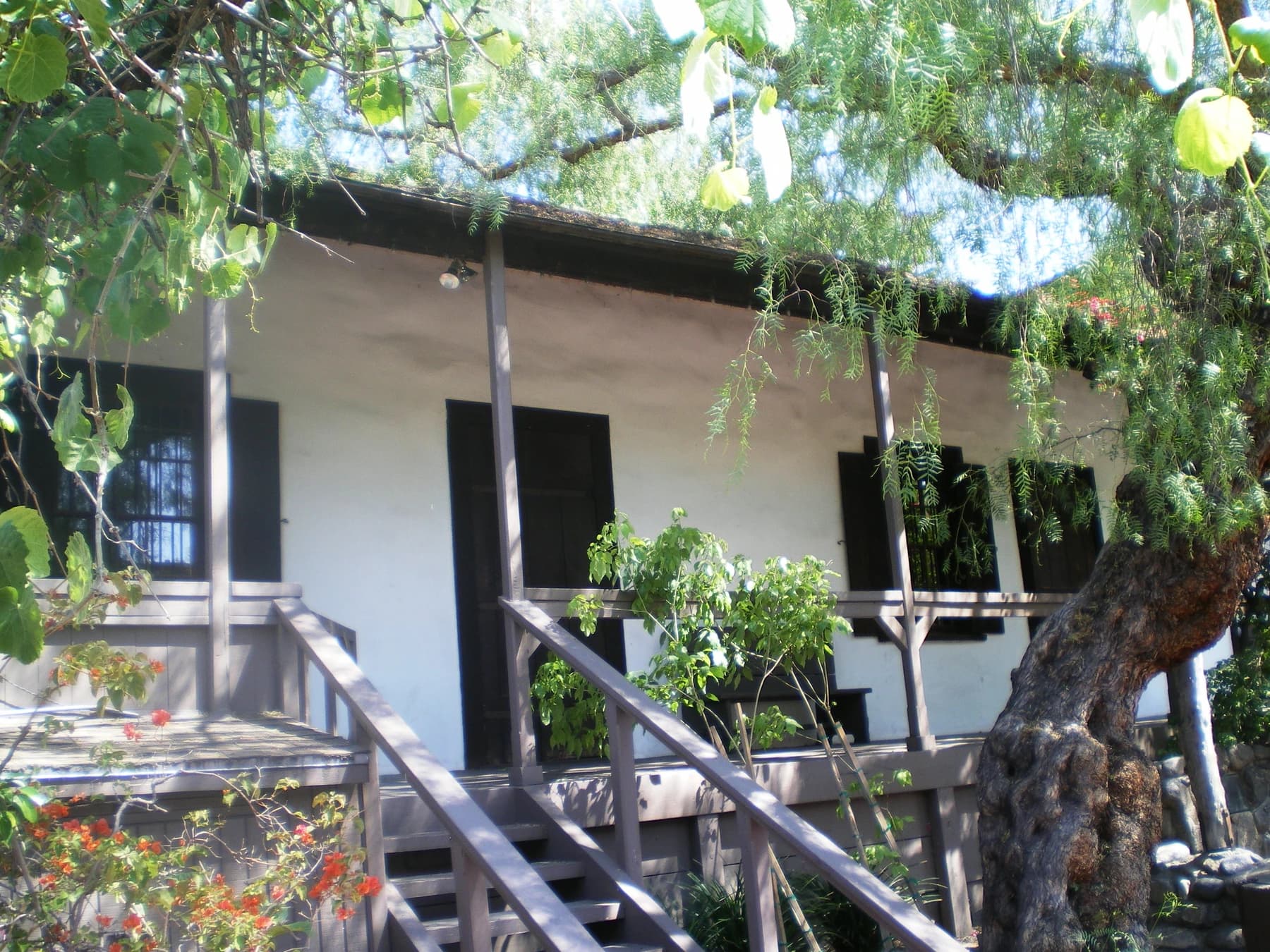
Image: Archival photograph of the Avila Adobe courtyard recorded in May 2008; not current conditions or a promise of access to a particular room or courtyard.
A visit to El Pueblo can become more interesting when it moves beyond a single landmark. The historic district brings museums, public space and Olvera Street's marketplace into a setting where different parts of Los Angeles's history can be considered together.
The city describes the monument as near the early pueblo established in September 1781 by settlers of Native American, African and European heritage from present-day northern Mexico. Its museum list includes the Avila Adobe, Plaza Firehouse, Chinese American Museum and Italian American Museum of Los Angeles, among other attractions.
Sponsored
The city's guide identifies free museums and attractions, while shops and restaurants are separate purchases. Check the institution you intend to enter for current hours before organizing the day around it. The district's overview gives differing marketplace hour ranges, so avoid treating a general street schedule as a guarantee that every museum or business will be open.
Pick two places whose stories speak to each other and give each enough time to read the interpretation. Notice which community, period and kind of evidence each presents. A market, an old house and a museum do different work; together they can make the city's past feel layered rather than contained in one founding date.
Sources and visit details
Photo: Los Angeles / Wikimedia Commons. CC BY-SA 3.0. Resized and converted to WebP; the site wordmark may be added in display.


What do you think?
Share your perspective with your neighbors.
Free to join. Your draft stays here while you sign in.
Be the first to share your thoughts.